Travel, History & The Philosophy of Quality of Life
Does owning a magnificent mansion mean you have succeeded in life?
Does becoming one of the wealthiest people in the world automatically make you happy?
Or is true success something much closer to home—something we may have overlooked in our everyday lives?
During my years living in New York, I gradually discovered a meaning of success that I had rarely considered while living in Japan.
Three things, in particular, inspired me to reflect on this idea: Kykuit, the Rockefeller family’s magnificent estate; Newport, Rhode Island, with its extraordinary historic mansions; and HBO’s historical drama The Gilded Age.
The more I learned about America’s world of extraordinary wealth, the more I found myself thinking about something far less visible: the true meaning of a rich and fulfilling life.
|The Art of Enjoying Three Journeys in One
I have a personal travel philosophy that I call “The Three Journeys in One”—a way of experiencing a single trip three times over.
It is based on three stages: before the journey, during the journey, and after returning home.
| Stage | What I Do | What I Gain |
|---|---|---|
| Before the Journey | Research the destination, its history, culture, geography, and background. | Knowledge and anticipation |
| During the Journey | Visit the destination, observe firsthand, and compare what I discover with what I previously learned. | New discoveries and experiences |
| After the Journey | Revisit memories, reflect on experiences, and share stories with others. | New perspectives and lasting insights |
A journey does not begin only when we arrive at our destination.
It begins much earlier, when we start researching unfamiliar places, learning about their history, and imagining the lives of the people who once lived there.
In a sense, the journey has already begun before we even pack our bags.
Once we arrive, our own observations and experiences add another dimension to everything we have learned.
And even after returning home, the journey continues. Looking through photographs, sharing stories, and researching the places we visited can bring those experiences back to life.
To me, traveling is not simply about going somewhere far away. It is about expanding our perspective through knowledge, discovery, and meaningful experiences.
|Kykuit: A Magnificent Symbol of the Rockefeller Legacy
If I have the opportunity to return to New York, there are several places I would absolutely love to visit.
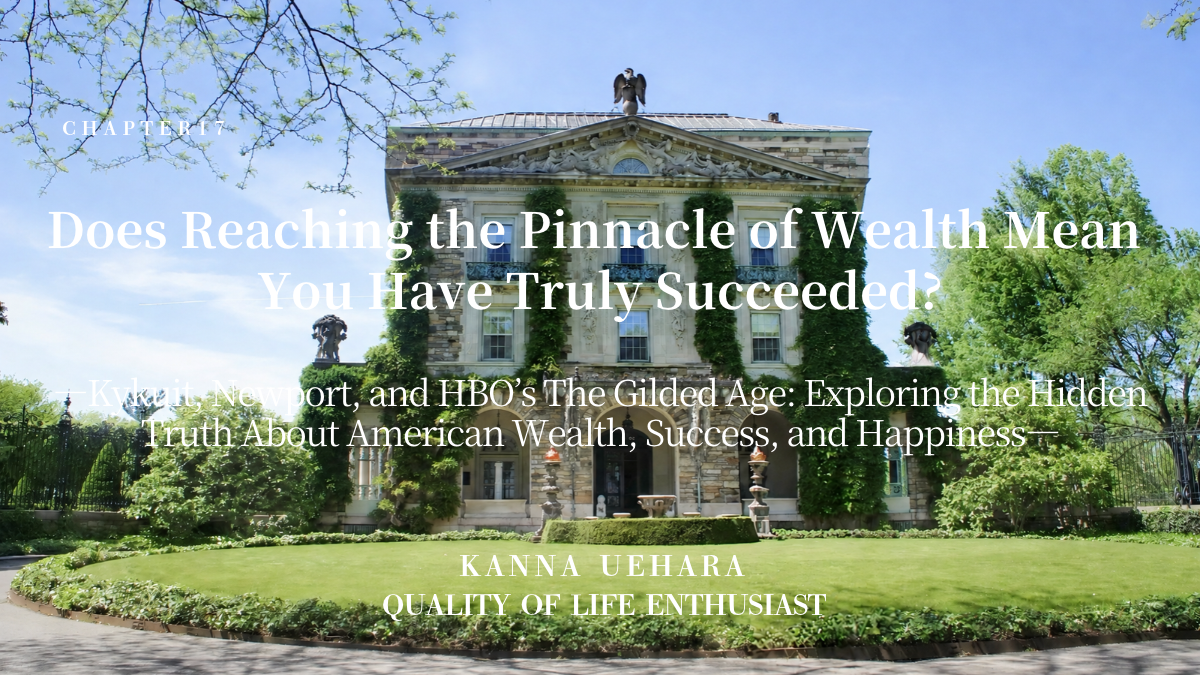
One of them is Kykuit, the magnificent Rockefeller estate overlooking the Hudson River in Westchester County, just north of New York City.
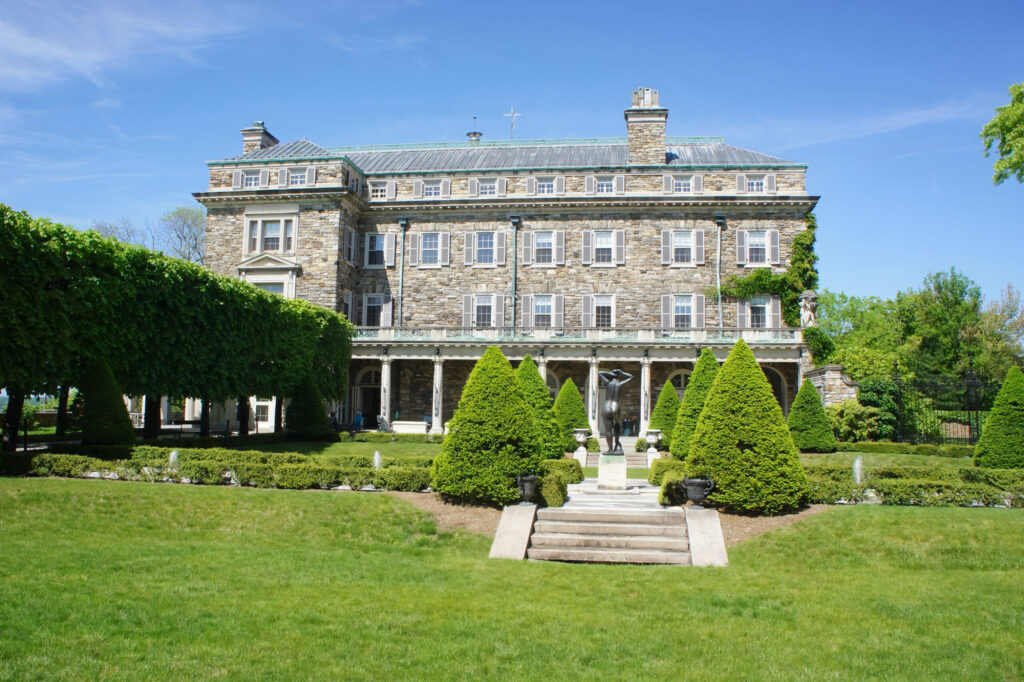
Kykuit was home to four generations of the Rockefeller family, beginning with John D. Rockefeller, the legendary American industrialist and founder of Standard Oil.
Completed in its present form in 1913, the four-story mansion reflects the grandeur of Beaux-Arts architecture. Its expansive gardens, fountains, sculptures, and sweeping views of the Hudson River and the Palisades make it an extraordinary historic property.
The name Kykuit comes from the Dutch word meaning “lookout.”
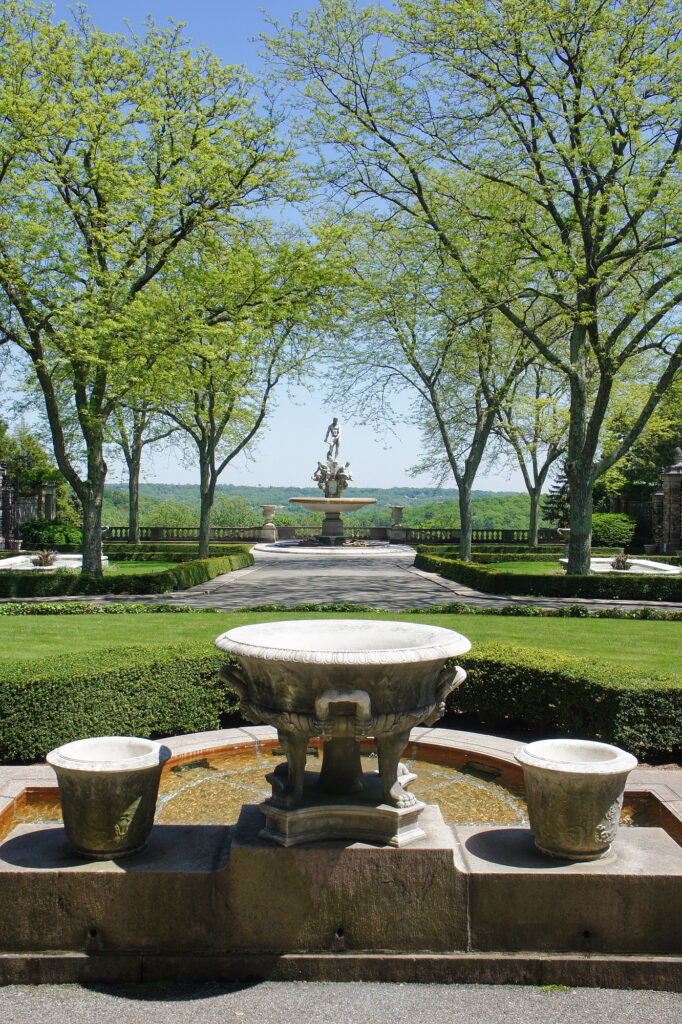
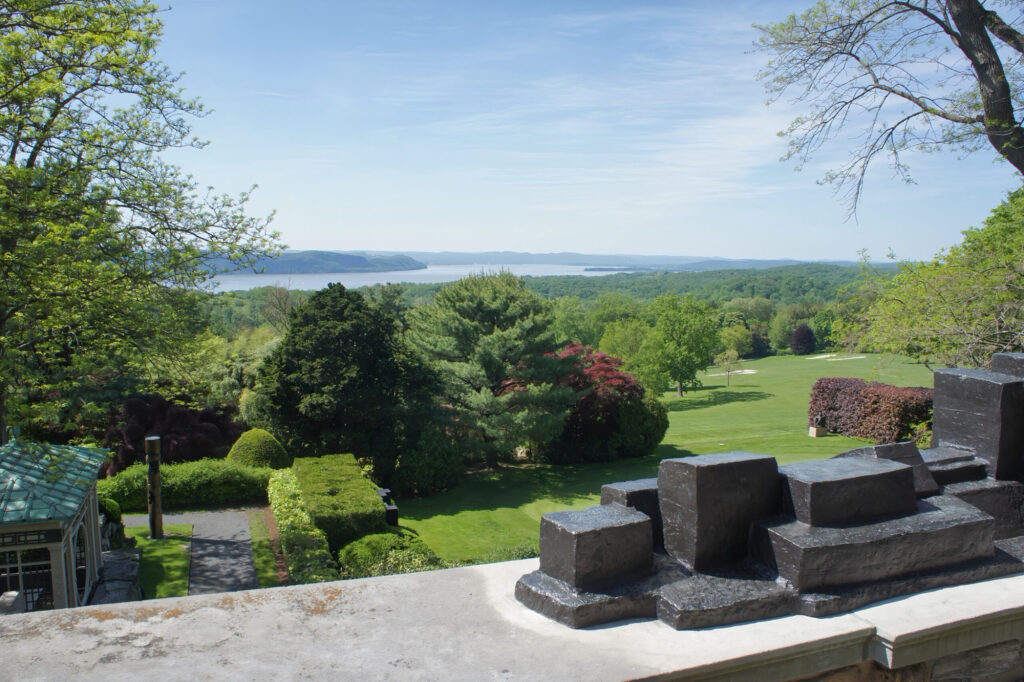
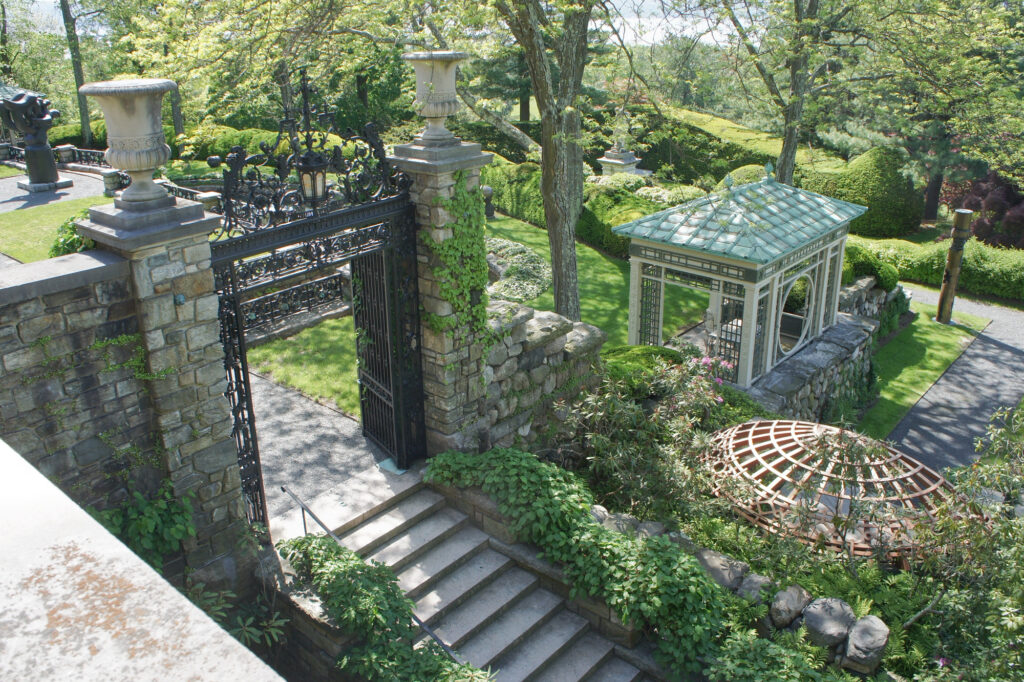
Beyond its impressive architecture, the estate is also known for its remarkable art collections, including European and Asian decorative arts as well as modern sculpture and contemporary works.
The residence offers a fascinating glimpse into the Rockefeller family’s appreciation of architecture, art, and cultural heritage.
Kykuit is much more than an extravagant mansion.
It represents how immense wealth, accumulated during America’s industrial expansion, was transformed into architecture, art, gardens, and a lasting cultural legacy.
How to Get to Kykuit
From Grand Central Terminal in Manhattan, visitors can take the Metro-North Railroad’s Hudson Line to Tarrytown Station.
The journey generally takes approximately 40 to 50 minutes, depending on the train.
From Tarrytown Station, the Philipsburg Manor Visitor Center, which has served as the meeting point for Kykuit tours, is approximately one mile away. A taxi or other local transportation may be needed.
In the past, visitors checked in at Philipsburg Manor before taking a dedicated shuttle to Kykuit.
However, public tours were suspended in 2026. The Rockefeller Brothers Fund has announced plans to resume tours in 2027 under a new operating arrangement.
For that reason, anyone planning a visit should check the latest official information regarding tour availability, reservations, meeting locations, and transportation.
Philipsburg Manor: Another Chapter of American History
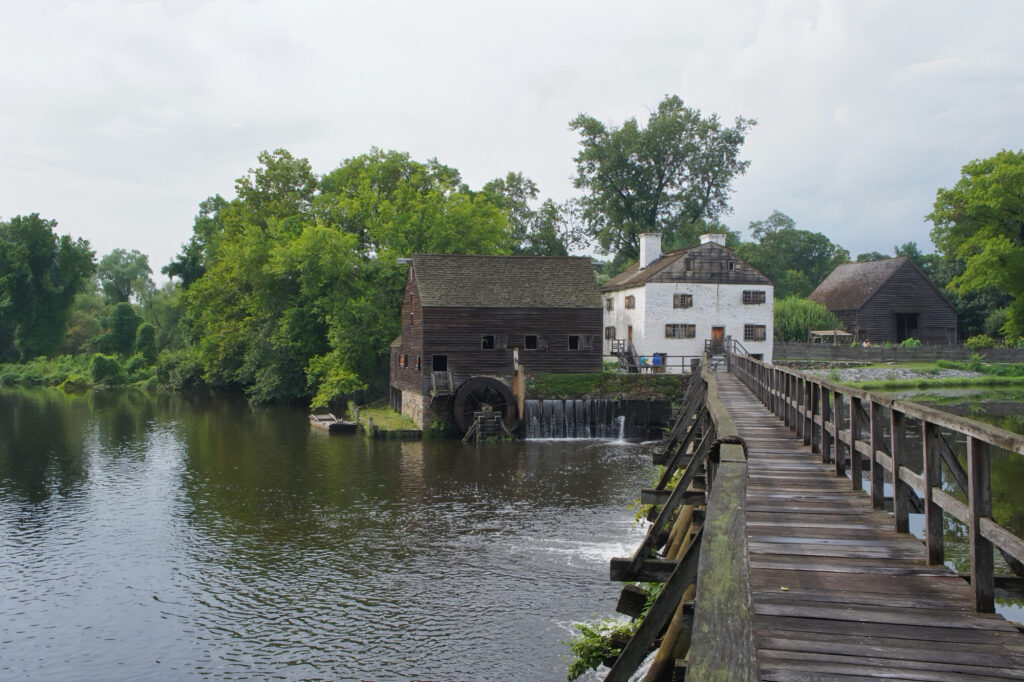
Philipsburg Manor is also a fascinating historic site for anyone interested in early American history.
The property preserves the setting of an 18th-century agricultural estate and gristmill, offering visitors an opportunity to learn about colonial-era life.
However, its history cannot be understood simply as a charming picture of rural America.
The estate relied on the forced labor of enslaved Africans. Today, the site also interprets their lives, experiences, and contributions, helping visitors understand the realities of slavery and the social structures of colonial America.
Learning about history means looking beyond beautiful buildings and the accomplishments of wealthy families.
It also means remembering the people whose lives and labor were part of that history.
|Newport: Where America’s Wealthiest Families Built Their Summer Retreats
Another destination that has long captured my imagination is Newport, Rhode Island.
I have never visited Newport, so for me, it remains part of the first stage of my travel philosophy: the journey before the journey.
I have been gathering information about its location, transportation from New York, history, famous landmarks, and activities in preparation for a future trip to the American East Coast.
Newport is a historic coastal city with roots dating back to the 17th century. It developed as an important port and trading center during the colonial era.
By the mid-19th century, its pleasant coastal climate and beautiful oceanfront setting had made it an increasingly popular summer destination for wealthy Americans.
During the Gilded Age, particularly in the late 19th century, families who had accumulated enormous fortunes through finance, railroads, and industry began building spectacular summer residences there.
Interestingly, these extraordinary mansions were often referred to as “cottages,” although their size and extravagance were anything but modest.
Some of Newport’s most celebrated historic residences include:
| Mansion | Distinctive Features |
|---|---|
| The Breakers | The spectacular summer residence of the Vanderbilt family. |
| Marble House | An opulent mansion featuring extensive use of marble. |
| The Elms | An elegant residence inspired by classical French architecture. |
| Rosecliff | A magnificent mansion inspired by the Grand Trianon at Versailles. |
| Chateau-sur-Mer | One of Newport’s finest examples of its earlier generation of grand residences. |
These mansions are far more than impressive private homes.
They are architectural and cultural landmarks that reflect America’s economic power, artistic ambitions, building techniques, and social values during a remarkable period of transformation.
Today, many of Newport’s historic mansions are preserved and open to the public through the Preservation Society of Newport County.
I would love to explore not only their architecture and interior design, but also the lives of the people who once occupied them.
What did they value? How did they spend their time? What kind of society did they seek to create?
To me, Newport offers an extraordinary opportunity to experience history not simply by reading about it, but by walking through it.
|The Gilded Age: The Glittering World Behind America’s Golden Era
During one of my stays in New York, I encountered a large group of people in Central Park wearing elaborate period costumes reminiscent of the late 19th and early 20th centuries.
At the time, I did not fully understand what I was witnessing.
Looking back, I realized that I had most likely stumbled upon a filming location for HBO’s historical drama The Gilded Age.
I have always enjoyed history, and I was already a devoted fan of Downton Abbey, the acclaimed British period drama set in the world of the English aristocracy.
So it was only a matter of time before I became interested in The Gilded Age, another historical drama created by Julian Fellowes, this time set in New York.
The series takes place during the late 19th century, a period when New York was undergoing extraordinary economic and social transformation.
It explores the rivalry between newly wealthy industrialists and financiers and the established families who valued inherited status, tradition, and social standing.
Through family relationships, social competition, and the changing roles of women, the series brings the complexities of this transformative era to life.
What I particularly enjoy is not only the storytelling, but also the costumes and interior design.
The designers preserve the silhouettes and decorative details of the period while incorporating beautiful colors, fabrics, and artistic interpretations that feel remarkably contemporary.
I find myself looking forward to every episode, especially from a fashion and design perspective.
Season 4 premiered on HBO on November 1, 2026. On November 19, HBO officially announced that the series would continue with a fifth season.
I look forward to seeing how the series continues to explore American history and the social changes that shaped the country.
|The Gilded Age: What Was Hidden Beneath the Golden Surface?
The expression Gilded Age has a particularly interesting meaning.
To gild something is to cover it with a thin layer of gold.
Something may appear magnificent and golden on the surface, while a very different reality exists underneath.
The term became widely associated with the era through the 1873 satirical novel The Gilded Age: A Tale of Today, written by Mark Twain and Charles Dudley Warner.
During the second half of the 19th century, America experienced extraordinary economic expansion following the Civil War and the growth of industrial capitalism.
Railroads, steel, oil, and finance created enormous fortunes, transforming the American economy and producing a new class of extraordinarily wealthy industrialists.
Yet behind this prosperity were serious social problems: widening economic inequality, harsh working conditions, the struggles of immigrants, and discrimination based on class and social status.
The magnificent mansions and extravagant parties represented only one side of the era.
The other side was far less glamorous.
The wealth and prosperity of the period existed alongside significant hardship and inequality.
Visiting magnificent estates such as Kykuit and Newport’s historic mansions would undoubtedly be a wonderful experience.
But understanding the social structures and inequalities that existed behind these extraordinary displays of wealth gives us an entirely different perspective.
To understand history, we must look beyond its glittering surface and recognize the realities that existed beneath it.
|What America Taught Me About the Meaning of Success
There is something I particularly remember from my years living in America.
In conversations with people, I heard them say, “I have succeeded” or “I am successful” on numerous occasions.
Interestingly, I heard these expressions from people in very different professions and circumstances, including my landlord, who was a chef, a housekeeper, and even an ESL instructor.
In Japan, I had rarely heard people describe themselves as successful in everyday conversations.
At first, I found it somewhat unusual.
Today, however, I believe I understand what they meant.
In Japan, when we hear the word “success,” we may imagine someone who has achieved extraordinary wealth or social status—perhaps someone wealthy enough to own a magnificent estate like Kykuit.
And even after reaching such a level of financial success, a person may still feel that something is missing.
The people I met in America seemed to have a more personal and practical understanding of success.
They had left their countries of birth and worked incredibly hard to build new lives in unfamiliar environments, often facing different languages, cultures, and social systems.
They learned new languages, worked diligently, navigated immigration requirements, obtained the visas or permanent residency status they needed, and established homes and stable lives.
None of this was easy.
Building a life from the ground up in a country that was not originally your own requires tremendous determination and perseverance.
For many of them, securing the right to work, finding a place to live, establishing financial stability, and becoming part of a new community were achievements worthy of genuine pride.
Looking back, I now see that their words reflected a grounded sense of accomplishment and a deep appreciation for what they had achieved.
Their definition of success was not necessarily about becoming wealthy or famous.
It was about creating a life they could call their own.
|True Wealth Can Be Found in Everyday Life
There was something else that left a lasting impression on me during my years in America.
The people I met placed great importance on spending time with their families, sharing meals, and enjoying simple moments such as walking through New York City or relaxing in its beautiful parks.
Even with busy schedules, they made an effort to create time for the things that mattered to them.
They did not seem to take these small moments of happiness for granted.
Of course, happiness cannot be measured simply by nationality or culture. America has its own serious social challenges, just as Japan has its own unique strengths and sources of fulfillment.
Nevertheless, the people I encountered taught me something valuable.
Are we sometimes so focused on acquiring more, achieving greater success, or receiving recognition from others that we overlook the happiness we already have?
Being able to sit around a table with family.
Having a meaningful conversation with someone we care about.
Walking through a city we love.
Having time to ourselves.
These moments may seem ordinary, even insignificant.
Yet there is no guarantee that they will always be there.
That is precisely why I believe it is so important to appreciate the time we have and the relationships that enrich our lives.
|Quality of Life: Beyond Success, Toward a Truly Fulfilling Life
Owning a magnificent estate like Kykuit or spending an elegant summer in a beautiful destination like Newport can certainly be wonderful experiences that enrich our lives.
However, neither wealth nor luxury alone determines our Quality of Life.
I believe that a meaningful Quality of Life rests on three essential principles.
1. Define Success on Your Own Terms
Do not allow society’s expectations or other people’s opinions to determine whether your life is successful. Understanding what truly matters to you and what kind of life you wish to create is an essential step toward personal fulfillment.
2. Appreciate the Small Joys of Everyday Life
Happiness does not have to come from extraordinary events or major achievements. Time spent with family, sharing a meal, having a conversation, or taking a walk can bring genuine joy. Recognizing and appreciating these everyday moments makes life richer.
3. Value Time and Human Connections
No matter how much wealth or status we accumulate, meaningful relationships and genuine human connections cannot simply be purchased. Respect, gratitude, trust, and thoughtful communication are essential to building stronger relationships at home and in the workplace.
Perhaps it is time for us to reconsider the things we may be gradually forgetting: gratitude, sincerity, kindness, and the value of seemingly ordinary moments.
These small gestures and everyday interactions can strengthen communication within families and workplaces, creating healthier and more meaningful relationships.
Over time, these seemingly simple choices can also help guide our lives in a more positive direction.
Building wealth and building a fulfilling life are not necessarily the same thing.
Perhaps true success is not measured by how much we accumulate, but by how deeply we appreciate what we already have.
For me, traveling is not simply about discovering unfamiliar places.
It is also an opportunity to reflect on my own life through the history, culture, art, and perspectives of the people I encounter along the way.
And with every journey, my own understanding of Quality of Life continues to grow.
Because the richest life is not always the one with the most possessions, but the one with the most meaning.